This easy homemade labneh recipe uses full-fat Greek yogurt and kosher salt to make a thick, creamy Middle Eastern cheese that’s perfect for dipping, spreading and topping.
Let’s be honest. Homemade labneh isn’t exactly the recipe that’s going to make your pulse race. It’s Greek yogurt. You add salt. You strain it. You wait.
Thrilling stuff.
But then something magical happens. That yogurt turns thick, creamy, tangy and spreadable – somewhere between Greek yogurt and cream cheese – and suddenly you have a ridiculously good dip or spread that you can pile high with all kinds of delicious things.
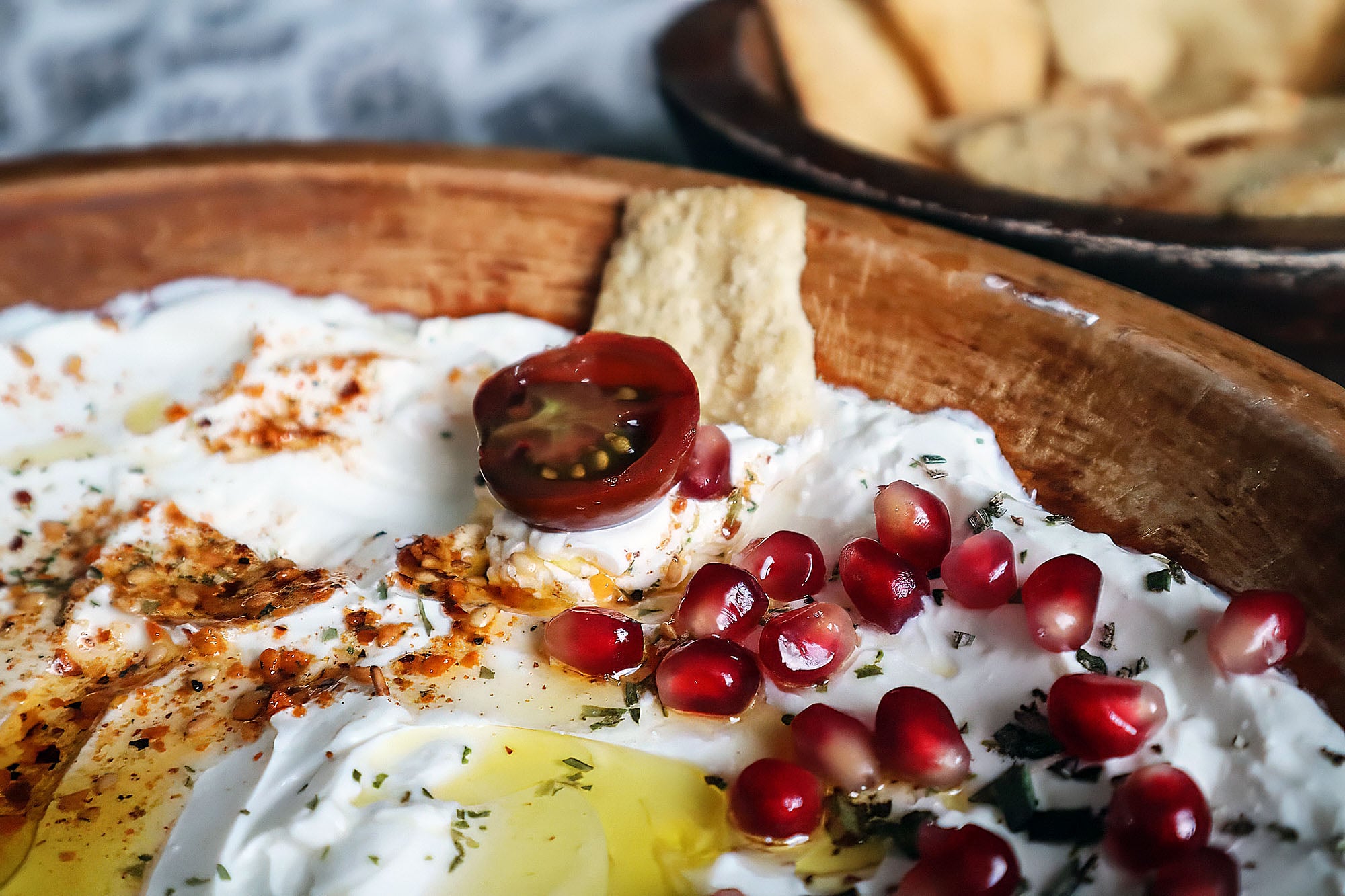
I like mine with good olive oil, dukkah, fresh herbs and juicy little pomegranate arils. Add some warm pita for scooping and you’ve got yourself a seriously good snack, appetizer or light meal. If you like yogurt, you’ll love labneh.
And the best part? Homemade labneh is stupidly easy to make.
What is Lebnah?
Labneh is a thick, creamy Middle Eastern cheese made by straining yogurt to remove the whey (or liquid). The longer you strain it, the thicker it becomes.
It’s tangy, rich and incredibly creamy. Strained for one night, it has a consistency that’s similar to a very thick Greek yogurt or soft cream cheese. Let it go longer and it gets even thicker and more spreadable.
And while you can certainly buy labneh, making it at home is so easy that there’s really no reason not to.
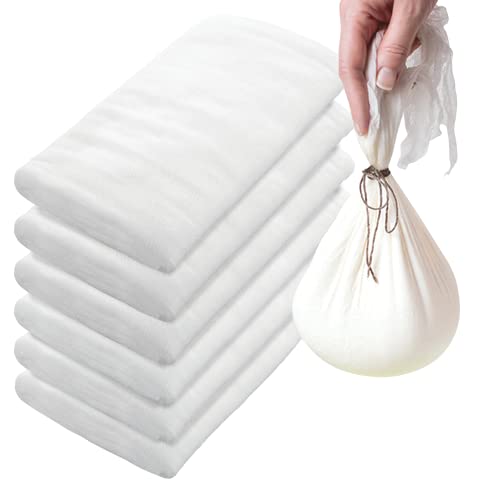
You need full-fat Greek yogurt, kosher salt, cheesecloth and a little patience. That’s basically the whole operation. I found bowl shaped cheesecloth “bags” that are perfect for this.

Why Make Homemade Labneh?
Because it tastes damn good, that’s why.
It also gives you the ability to personalize it and make it exactly the way you like it. The labneh itself is creamy and tangy enough to eat straight from the bowl, but you can control just how creamy and tangy the end result will be.
Another reason is that labneh is a fantastic blank canvas for toppings. This is where I have a little fun with it. I spread the labneh onto a shallow bowl or plate, drizzle it generously with olive oil, then add dukkah, fresh herbs and pomegranate arils.

The creamy labneh, crunchy and nutty dukkah, fresh herbs and sweet-tart little pops of pomegranate are ridiculously good together.
And yes, you can absolutely eat it with a spoon. I’m not here to police anybody’s labneh experience.
How To Make Labneh
The actual making of labneh is almost laughably simple. Mix full-fat Greek yogurt with kosher salt, transfer it to cheesecloth and let the whey drain away.
That’s it.
I suspend mine over a bowl and refrigerate it overnight. You can strain it for longer – up to two or three days – depending on how thick you want it. One night gives you a thick, creamy, spreadable labneh that I love. If you want something closer to the consistency of cream cheese, let it continue straining for another day or two. There isn’t really a wrong answer here. You get to decide how thick you want your labneh to be.
And if you’re anything like me, you’ll probably taste it after the first night and decide you’ve waited long enough.
Because I have no patience.

How To Serve Labneh
This is where labneh gets really fun.
Spread it onto a plate and use the back of a spoon to make little swoops and wells. Drizzle good olive oil over the top, then add your favorite toppings.
One of my favorite combinations, and what you see here, is:
- Extra-virgin olive oil
- Dukkah
- Fresh herbs
- Pomegranate arils
The dukkah gives it a wonderful crunchy, nutty texture, the herbs brighten everything up, and the pomegranate adds little bursts of sweet-tart flavor. Serve it with warm pita, pita chips, crackers or toasted bread.
Or put it on a bagel.

Or crostini.
Or use it as a base for roasted vegetables.
Or just stand in front of the refrigerator with a spoon.
I support all of these choices.
Labneh is also wonderful in recipes where you’d normally use a thick, tangy dairy spread. I’ve even seen it used in grilled cheese, which sounds completely brilliant to me. Another thought – a labneh board!
Ways To Top Labneh
- Zaatar (the traditional topping)
- Dukkah, herbs and pomegranate arils
- Olives – any and all, like Castelvetrano, Spanish and Kalamata – chopped, feta cheese
- Chopped cucumbers, tomatoes and dill
- Chopped dried fruits, honey, nuts
- Roasted garlic, chickpeas and oregano
A Little Labneh Backstory
I originally went looking for this recipe because I was trying to recreate a Mediterranean dish I made years ago that was so good I never forgot it. Unfortunately, I also never wrote the damn recipe down.
I’ve searched for it more times than I care to admit, and while I’ve found plenty of dishes that are similar, I’ve never found the one. I’m convinced I’ll either find it someday or finally nail it while trying to recreate it myself. In the meantime, I found labneh. And I’m certainly not mad about it.
Labneh is popular throughout Middle Eastern cuisine, hanging out with its sexy cousins hummus and tabbouleh, and once you make it you’ll understand why. It’s simple, versatile and ridiculously good. And while you can absolutely buy it, there’s something pretty damn satisfying about turning a container of Greek yogurt into this thick, creamy cheese spread in your own kitchen.
Plus, you get to put whatever you want on it.
And that’s always a good thing.
Here’s your printable –

Labneh
Ingredients
For Labneh
- 24 oz plain, full fat Greek yogurt
- 1 tsp sea salt
Toppings for Labneh
- Olive oil
- Pomegranate arils
- Fresh herbs
- Dukkah, or your favorite spices
- Cherry tomatoes, sliced
Instructions
- Mix the yogurt and salt together.
- Place in cheesecloth over a large bowl to drain. Pull the cloth up around the yogurt and tie so it puts pressure on the yogurt. Drain overnight, and as long as 3 nights, depending on how thick you want your labneh. Check it after the first night.*
- Drizzle with olive oil, sprinkle with herbs, pomegranate arils, etc. and dip with pita chips, crostini, cut veggies, etc.
Recommended Products
We are a participant in the Amazon Services LLC Associates Program, an affiliate advertising program designed to provide a means for us to earn advertising fees by linking to Amazon.com and affiliated websites.


Notes
*The longer you strain it, the more thick, rich and creamy it will be.
Store in an airtight container in the fridge for up to a week.
Nutrition Information:
Yield: 4 Serving Size: 1 Amounts Per Serving: Calories: 103Total Fat: 1gSaturated Fat: 0gUnsaturated Fat: 0gCholesterol: 9mgSodium: 617mgCarbohydrates: 6gFiber: 1gSugar: 6gProtein: 17gThe provided nutrition calculated may not always be accurate.